
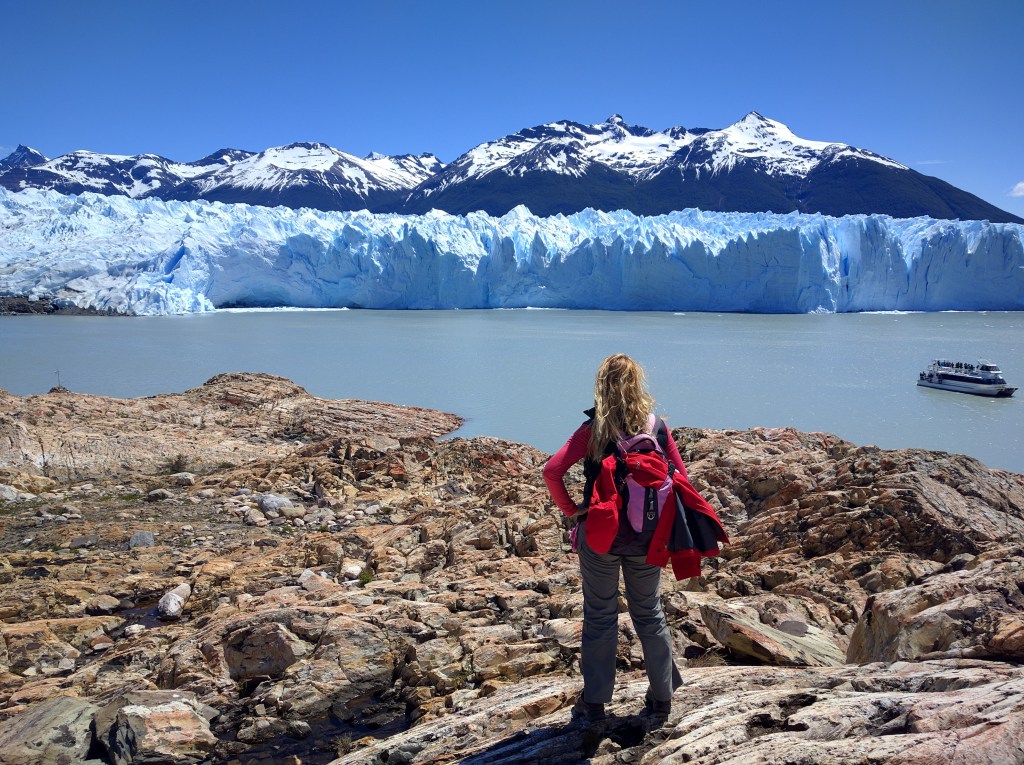
If you have stumbled upon this post, it is probably because you were curious on how to eliminate unnecessary luggage when travelling, especially to a cold destination. Packing light for a cold destination is a little more challenging that a warm one, but not impossible. There is nothing worse than traveling to a destination covered with ice or snow and realizing that now you have to carry a huge suitcase through the frosty scenery. Embrace the opportunity to experience the beauty of winter and cold weather destinations without the hassle of heavy bags and bulky suitcases. When travelling to a cold location you will need layers more so than thick sweaters. We are confident that you can fit in a carry-on suitcase with a little extra planning.
Five Packing Rules for a Cold Destination
- 1. Pick the right fabrics to wear – When traveling to a cold location, it’s essential to choose fabrics that provide insulation and warmth. Opt for materials like wool, which is known for its excellent insulation properties and moisture-wicking ability. Merino wool, in particular, is lightweight, breathable, and odor-resistant, making it ideal for travel. Additionally, fleece is a popular choice for its warmth and softness. Insulating fabrics like down or synthetic down can be great for outer layers, providing excellent warmth without adding bulk. Layering with thermal fabrics such as polyester or nylon can help trap heat close to the body. Remember to consider versatility and packability when selecting fabrics for cold weather travel, ensuring you stay warm and comfortable throughout your journey.
- 2. Pack layers not bulky items – When heading to a cold destination, dressing in layers is key for effective temperature control. Start with a moisture-wicking base layer to keep sweat away from your skin. Merino wool or synthetic fabrics work well for this purpose. The middle layer should provide insulation; consider materials like fleece or down to trap and retain heat. For the outer layer, choose a waterproof and windproof jacket to shield against the elements. Additionally, wear thermal or insulated pants as the bottom layer, and make sure your footwear is waterproof and insulated. Don’t forget accessories like a hat, gloves, and a scarf to protect extremities. Adjust the layers based on the specific conditions and activities, allowing you to add or remove clothing as needed to stay comfortable in varying temperatures.
- 3. Choose your shoes carefully – For a cold destination, it is crucial to choose the right footwear to keep your feet warm and dry. Opt for insulated and waterproof boots or shoes. Ensure your boots/shoes have good traction suitable for the activity your planning on undertaking. Remember to wear moisture-wicking socks to keep your feet dry. If boots are needed, we recommend you wear the boots on the plane and your light weight shoes packed in your luggage. If you need to pack your boots, make sure you stuff them with all of your smaller items like socks, shirts, thermal underwear, etc.
- 4. Pick clothes to mix and match – Mixing and matching cold weather clothes allows for versatile and stylish outfits while ensuring practicality in changing temperatures. Start with a neutral base, such as black or gray pants, and pair them with various tops in different textures and weights. Layering is key – experiment with combining a lightweight sweater over a thermal shirt or a puffer vest with a long-sleeve tee. Mixing fabrics like wool, fleece, and down adds visual interest while providing varying degrees of insulation. Don’t forget to accessorize with scarves, hats, and gloves to enhance both style and warmth. By strategically combining different pieces, you can create a winter wardrobe that is not only functional but also reflects your personal style, allowing you to adapt to diverse cold weather conditions with ease. By mixing and matching you can create a number of outfits with just a few pieces of clothing.
- 5. Wear the bulkiest items – Wearing bulky winter clothes on the plane can be a practical choice, especially when traveling to a cold destination. Opting for your bulkier items, such as a winter coat, boots or vests allows you to save space in your luggage while staying cozy during the flight. Layering is key, as planes can have varying temperatures, and shedding or adding layers becomes more convenient. Consider wearing your heaviest items during boarding and takeoff, and then adjust based on the cabin temperature. This not only maximizes luggage space but also ensures you arrive at your cold destination well-prepared for the chilly weather, seamlessly transitioning from the plane to the colder outdoor environment.

Sample Packing List for Cold Weather
The following is a sample packing list for a 7-day trip to a cold destination. Applying the above mentioned rules should allow you to fit in a carry-on suitcase. If your trip is shorter than 7 days, you can take fewer items, if your trip is longer than 7 days, you shouldn’t need to bring any extra clothes, you will just need to do laundry throughout your trip. Also keep in mind that this list includes the items that you will be wearing on the day of travel.
| Pants | 3 |
| Thermal Long-Sleeve Base Layer Shirts | 2 |
| Thermal Long Underwear/Leggings | 2 |
| Thin Merino Wool Seaters | 3 |
| Socks/Thermal Socks | 4 |
| Down/Fleece Jacket/Vest | 2 |
| Windbreaker Jacket | 1 |
| Pajamas | 1 |
| Lightweight Wool Scarf | 1 |
| Lightweight Wool Hat | 1 |
| Waterproof Gloves (pair) | 1 |
| Waterproof Boots/Shoes | 2 |
| Regular Underwear | 4 |
| Bras/t-shirts | 2 |
Traveling to a cold destination with carry-on luggage requires strategic packing for both efficiency and comfort. Choose versatile clothing items that can be easily mixed and matched. Focus on layering, incorporating thermal fabrics and insulation for warmth. Wear your bulkier items, like a winter coat and boots, on the plane to save space in your carry-on. Opt for compact and lightweight accessories, such as a foldable hat and gloves. Utilize compression packing cubes to maximize space and keep belongings organized. Ensure your carry-on includes essentials like travel-sized toiletries, a compact umbrella, and a power bank. By prioritizing multifunctional clothing and smart packing techniques, you can navigate a cold destination with ease using just your carry-on luggage.

 mimski.com
Leave a reply to Navigating the Globe: 15 Essential Lessons for Effortless Travel Cancel reply