

This blog may contain affiliate links. If you click on these links and make a purchase, I may earn a small commission at no cost to you. I only recommend products or services that I personally use and believe will add value to my readers. Your support helps keep this blog running. Thank you for your support!
Embarking on a journey is more than just exploring new places; it’s about cultivating habits that enhance the overall experience. Good travel habits can transform an ordinary trip into an extraordinary adventure. First and foremost, the art of packing efficiently is a game-changer. Streamlining your wardrobe and essentials not only lightens your load but also makes navigating airports and hotels a breeze.
Another commendable habit is immersing oneself in the local culture. Engaging with locals, trying regional cuisine, and participating in cultural events provide a genuine sense of place. Flexibility is key, as unexpected twists often lead to the most memorable experiences. Adapting to new surroundings with an open mind fosters a deeper connection to the destination.
On the flip side, succumbing to bad travel habits can cast a shadow on the wanderlust. Overpacking not only burdens your journey but also limits room for souvenirs and newfound treasures. Rushing through destinations without savoring the moment diminishes the richness of travel. In the age of social media, excessive photo-documentation can distance you from the present. It’s vital to strike a balance between capturing memories and living them.
Neglecting environmental responsibility is perhaps one of the gravest travel sins. Wasteful practices, such as single-use plastics and excessive energy consumption, contribute to the degradation of pristine destinations. Sustainable travel habits, like minimizing plastic usage and supporting eco-friendly accommodations, play a pivotal role in preserving the beauty of our planet for future generations.
In essence, cultivating good travel habits fosters a more meaningful and sustainable connection with the world. It’s a journey of self-discovery intertwined with the tapestry of diverse cultures and landscapes.
If you love traveling as much as we do, you will agree that it is important to travel light and focus on the experience.
Today I will share with you some of the DOs and DON’Ts of traveling that we have learned over the years. You don’t need to apply each and every single suggestion to each trip, but feel free to add your own and experiment with what works for you. Being the best traveler, you can be takes time and experience. Forming and abandoning certain habits also takes time, so don’t stress! Instead get excited and hit the road! So, here we go…15 simple tips for your next adventure planning!
1. Pack Light
We may be a little on the extreme side of traveling light (we travel with only carry on suitcases regardless of the length of our journey), but if you manage to at least downsize your luggage, that would be an accomplishment also. Maybe purchase a smaller suitcase to help you travel lighter. Pick clothes that you can mix and match. Also, keep in mind that with added airline fees you may end up paying extra money for luggage. Wouldn’t you rather spend that money on something else? Traveling is about comfort and the experience of a new place or culture, not about how many fancy outfits you can bring along. Pick a couple of pairs of pants/skirts and a couple of shirts/tops that you can easily mix and match. Read our blog Packing Light for a Cold Weather Trip for some ideas and a sample packing list.

2. Bring 2-3 Pairs of Shoes
Bring no more than 2-3 pairs of shoes (including the ones you are traveling with). Depending on your destination, bring comfortable walking shoes, flip flops and maybe a pair of dressy shoes in case you decide on that fancy dinner. Plan ahead according to the activities you are anticipating on doing and bring only the appropriate footwear for those. We all have that cute pair of shoes that is just extremely uncomfortable, I would suggest that you leave that at home. Shoes are bulky and can take up quite a bit of space. Again, you are not going on a fashion show.
3. Research Your Hotel/Accommodations
Many times, we are tempted to pick the cheapest hotel, Airbnb etc., just based on budget, but it is imperative that you spend a little time researching your accommodations. First and foremost is location, is it in a central location, close to public transportation, activities and attractions that you want to see? You can save a lot of money on transportation by being in a central location giving you the ability to walk to many of the places you want to see. Second, safety – is it located in a safe neighborhood where you don’t have to be afraid to walk outside. Third, cleanliness and amenities – does it have all the comfort and amenities that would make your stay more enjoyable? Sometimes your hotel can make or break your vacation/travel experience. So think about it and spend some time on research.
As tempting as it may sound cheaper is not always better. However, the same goes for the most expensive hotels as well. More expensive is not always better. Sometimes it makes sense to go cheap, but staying at a place that you don’t enjoy can really affect your travel experience. On the flip side, overspending on accommodations can take away money from other experiences. So be mindful! There are some places in this world where you should splurge on your accommodations. Trust me it will be worth it!
4. Plan a Daytrip or Tour
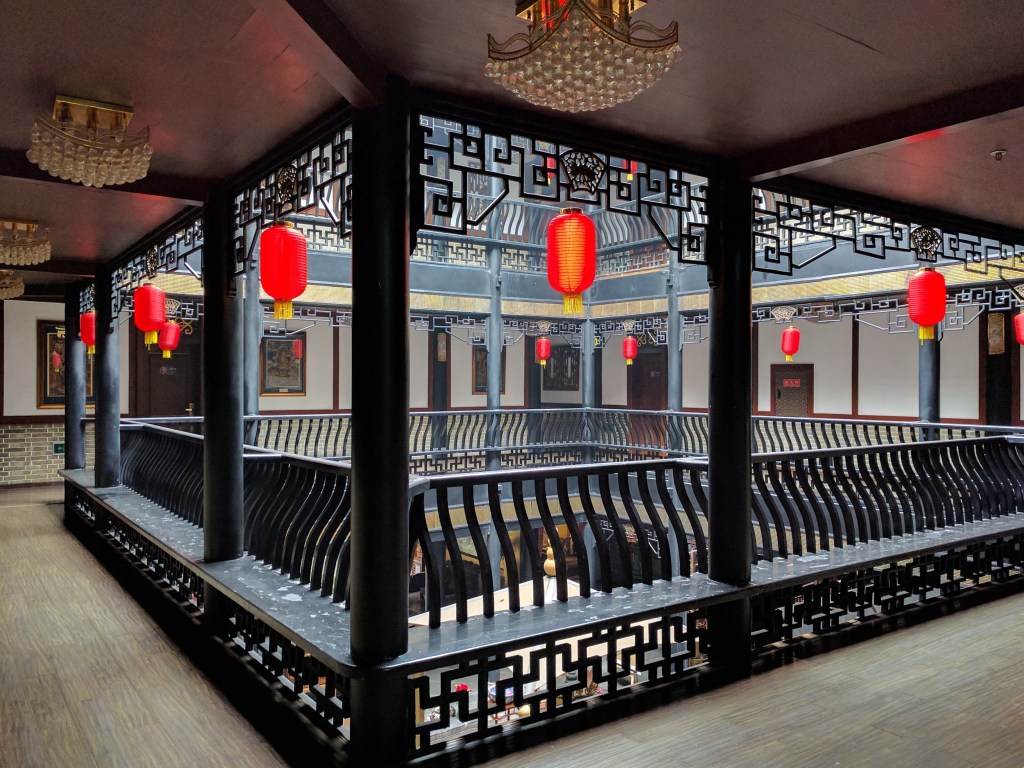
Just like finding the optimal place to stay, spend some time researching activities to do and things you want to see. Decide on whether you will be renting a car or booking a tour with a tour guide. It truly saves a lot of time knowing what you want to see and do. Also, it allows you to better manage the time you are away. Not knowing what you want to see or do can be a real waste of your vacation time. Depending on the season you are going, you may not be able to book a tour or visit a certain place last minute simply because they book out. For example, if you want to see a symphony at the Sydney Opera House in Sydney, Australia you should check their website to see what is available on what dates and book tickets in advance. Believe it or not, certain attractions and activities book out due to popular demand.
5. Allow for Time to Rest
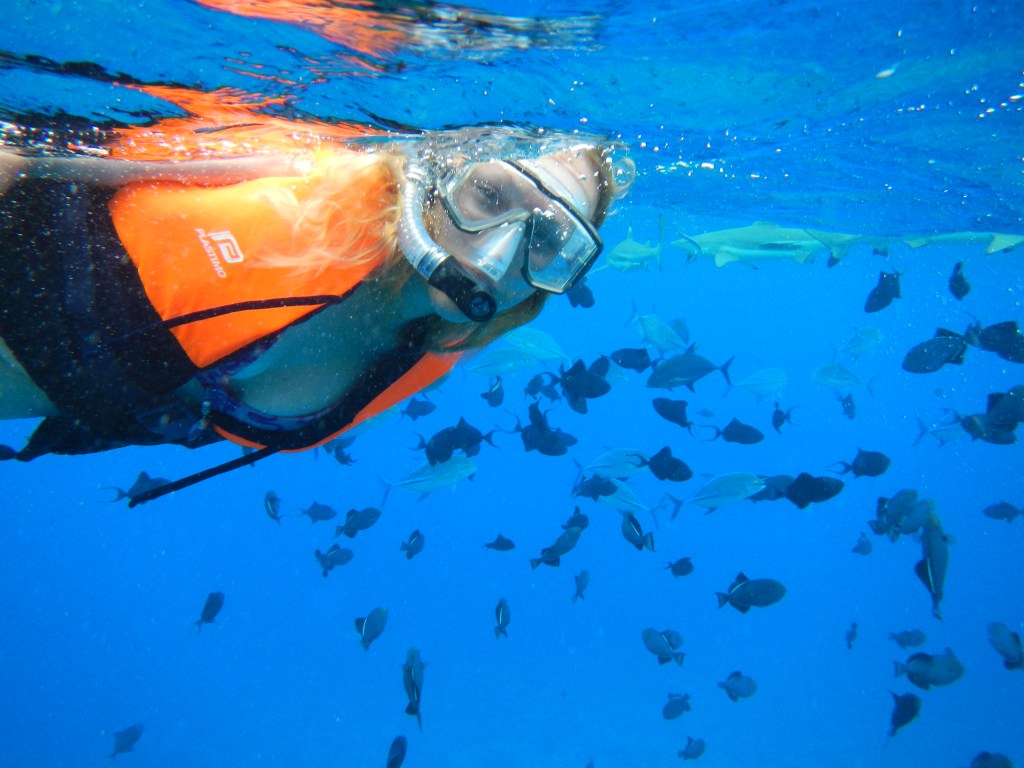
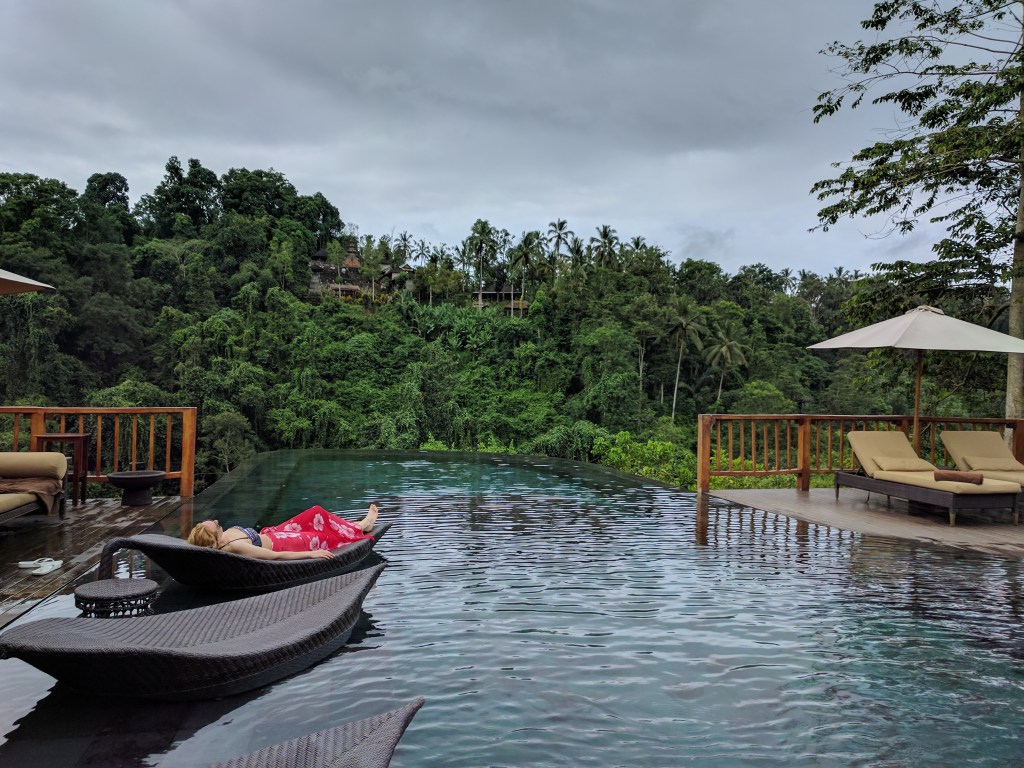
I know you want to see as much as possible (I am one of those people too), but it is important to leave a few days without any plans and just go with the flow. Relax! You don’t want to leave your vacation more tired than when you got there. If you feel like you didn’t get to see everything you wanted to or you would like to see more…guess what? You can always go back! Overbook your stay with activities can take away from the enjoyment of your vacation. It can be exhausting to attend activity after activity, so ensure that you allow for some free time to simply enjoy the place you are visiting without any booked/planned itineraries. Maybe just find a peaceful place to read a book, sip on a cup of coffee or simply people watch.
6. Bring Cash
With that said, don’t bring too much (maybe a couple of hundred dollars). There are two reason to bring cash. One, so you have a means to pay for small things (taxi, quick bite to eat) until you reach an ATM. Two, in case you have issues with you credit/ATM card. As mentioned before, bring some cash, but not too much. First of all, it is bulky, it fills up your wallet and it is never a good idea to pull out a wallet stuffed with cash. Second, if you lose it…chances are it is gone for good. You will not recover it. Three, exchange rates for cash are not usually better than withdrawing cash from an ATM machine (just make sure you are using credit cards/ATM cards with no fees). Four, some foreign exchange bureaus do not accept bills that are not in perfect/mint condition, so they may refuse to exchange it for you.

7. Exchange/Get Cash at ATM/Bank
My suggestion is to exchange only enough money to pay for your transportation needs from the airport/bus stop and small incidentals. You may get a much better deal exchanging in town at a bank or simply taking money from an ATM (which will dispense in local currency). Only take what you need and leave any unnecessary cash locked in your room safe (if you have one). Cash is easily lost or stolen. Most people rush to change all of their cash into the local currency as soon as they land…not always a good idea. Unless you have done some preliminary research and know the exchange rates, you may be getting an unfavorable rate. Many of those exchange bureaus know that most people will be tempted to change some money right away, so they can inflate or deflate their rates depending on demand.
8. Free/Alternative Ways of Transportation
Depending on your travel destination you may have a number of transportation options and choices. For example, if you are traveling to a location like Bora Bora, you will have a very limited choice in modes of transportation (by boat only). If you are in a large metropolitan area however, you will have some options. So do some research on how to get around. First, check with your hotel/Airbnb to see if they offer free airport transportation (many do). If they don’t, get their rates on what it costs to pick you up. Then research public transportation, many centrally located establishments are easily accessible via train/bus in many cities (Google maps is a good source of information for that). Third, research taxi/cab rates. Many websites will post approximate rates for what to expect it will cost to take a taxi. Fourth, check if Uber/Lyft or a similar service operates in the area. Fifth, check the country’s official taxi companies to make it easier to avoid being scammed by an unlicensed taxi driver. If all else fails and you can’t find the answer, call your hotel/landlord. They will be happy to answer any questions you may have and give you suggestions.
Showing up unprepared and not knowing your options makes it extremely easy to get scammed into overpaying for a most likely unlicensed taxi ride. Sometimes we just want to get to our destination that we are willing to pay anything. Don’t let that person be you. Another place where you easily overpay are tours. If you are unprepared and decide last minute that you want to take a tour, you will likely be paying a higher price for it.

9. Try Local Food
One reason many people travel is for the food. Unless you have specific allergies or absolutely dislike a certain food, please try some of the local delicacies. Even if the ingredients list sounds completely crazy…don’t be afraid. It is better to try something and not like it (you don’t have to try it again) than to miss out on something really delicious.
Many people tend to gravitate towards things they know including restaurants. I know when you see a McDonald’s, Subway or KFC restaurant abroad it feels like a slice of home. As tempting as it may sound, try to steer clear of chain restaurants. My suggestion is to forgo those restaurants and try something new. You may actually really enjoy it! Sure, there may be a situation where you have limited options, but if that is not the case…go local. Isn’t that why you left home in the first place, to try something new?

10. Stay Well Hydrated and Fed
Sometimes we are so excited to be somewhere new that all we want to do is sight-see and we forget to eat proper meals and drink sufficient water. It is imperative to stay hydrated and eat well while on vacation. Chances are you will be outdoors quite a bit, walking around, attending activities etc. This is the worst time to get sick and end up in the hospital and trust me dehydration and malnutrition are the easiest ways to end up at the doctor. I recommend you bring a travel/collapsible water bottle that you can fill up and take with you. We use the Vapur Flexible, Collapsible Water Bottle.
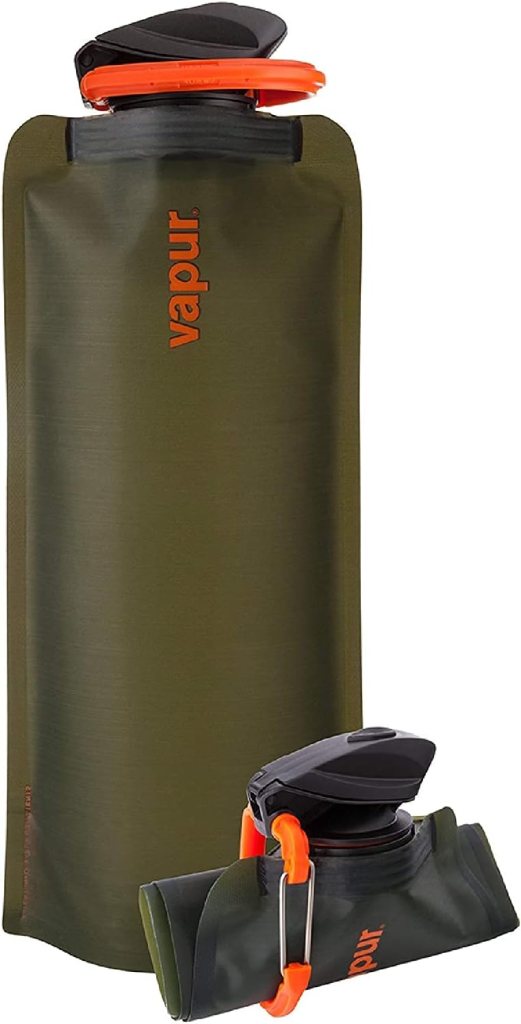
Bring a backpack to carry your water and while at it bring some snacks. You may not eat them, but at least you have the option to if you get hungry.
You are on vacation, not on a diet! So don’t skip meals and don’t skip drinking water. Even though you are not working, your activity levels may actually be elevated as compared to your regular day at home, so it is extremely important that you stay hydrated and nourished. Many of us have been in a situation where we ate a huge breakfast (free breakfast buffet!) and then we skipped lunch. Even if you don’t eat a full lunch, have somethings to hold you over until dinner otherwise you are throwing off your body’s natural meal schedule which can lead to fatigue, headaches etc.
11. Download Maps/Travel Apps
Nowadays it is so easy to travel with just your smart phone. If your phone service provider does not offer international data coverage, check alternative ways to get data on the road (maybe a local SIM card or prepaid international service). You can download maps (for example Google Maps) for offline use meaning you don’t have to be online to get directions etc. You will not get real time traffic and other information, but you are on vacation so take it easy. You can also download translator apps like Google Translate to help you with the foreign language as well as apps that show you attractions, tours and things to do such as TripAdvisor.
I still see people bringing books and maps while traveling and I wonder why. First of all they are heavy and bulky taking up lots of precious packing space and second, many times they are outdated and can just as easily get you lost. Join the 21st century by using available technology.
12. Go Off the Beaten Path/Take the Road Less Traveled
Sometimes your favorite memory or experience will not be the most famous attraction you visited on your trip. Rather it will be that one unexpected afternoon walk you took through town just wondering the streets or that day trip to a deserted beach outside of town. You never know, but sometimes an authentic and true adventurous experience is worth so much more than vising yet another museum. So don’t be afraid and follow the road less traveled, it is worth it.
Don’t feel obligated to visit every major attraction while on vacation. I see many people stuck to their guidebooks trying to visit every place listed in there, but is that really the best way to spend your vacation? Sure, there are some “major” attractions that are worth visiting, but some are quite simply overrated. Do you really need to see every church in Rome and every museum in Paris? Spend your time wisely. If traveling during the height of tourist season, major attractions tend to get extremely crowded and everything around the attracting is way overpriced. Would you rather spend your day in line at a museum or wine-tasting outside of town? I know what I would rather do!
13. Take Photos of Important Details
Remember to take photos of important details such as your street name (sometimes they are difficult to pronounce), parking space number, important ticket numbers, flight numbers, room numbers etc. We do everything on our phones these days, so this would be an excellent time to use your phone to its full potential. Take notes, take pictures, record a voice message…whatever you need to do to have access to information you may need. Relying on your memory alone in unreliable! We all think that we have great memory and are excellent at multitasking…well, the truth is…we are not! Make notes on your phone or take a picture of something you need to remember. It is not like we have to pay to develop our pictures any longer, so use your phone. Your memory may get you lost…your phone, a much smaller chance of that.

14. Learn a Few Phrases/Words
Before going to a foreign country, I recommend you learn a few words/phrases of the local language. You will obviously not learn the language fluently, but it really makes a great impression on the locals when you greet them or say something in their language. People love it because usually we sound funny speaking another language, but it also shows a lot of respect and appreciation for their language and culture.
Leave your opinions and stereotypes at home. Make an effort to really understand and absorb the foreign culture. Don’t expect everyone to speak English and understand what you want or need. Try not to frown or offend people if something does not go your way…that is just the nature of travel.
15. Tip for Great Service
In the United States we are used to tipping for everything whether the service was exceptional or mediocre. In many cultures tipping is not a custom and you don’t have to tip, but if someone provides you with great service…please do tip. Even though not expected, people do appreciate it. In some countries people work an entire day for a few dollars, your tip can really make a difference in someone’s life. Research ahead of time what the tipping culture is at your travel destination(s) and follow it.
There are however cultures where tipping is offensive. For example, in Japan, workers are paid a fair salary and tipping is not necessary and, in some cases, considered offensive. In fact, if you gave someone a tip, they may refuse it. Don’t be offended, just accept it.
With all of this said, I hope you have a wonderful and extremely memorable trip and don’t be afraid to make it your own. Unless you are on a prearranged group tour, do what your heart desires. Don’t feel like you have to see something only because it was listed in a travel book. You know best what you enjoy, so seek out experiences that emulate and compliment your idea of fun. Remember to pack light, be prepared, be open to adventures, eat well and just have a great time! …and let technology lead the way…
 mimski.com
Leave a comment