

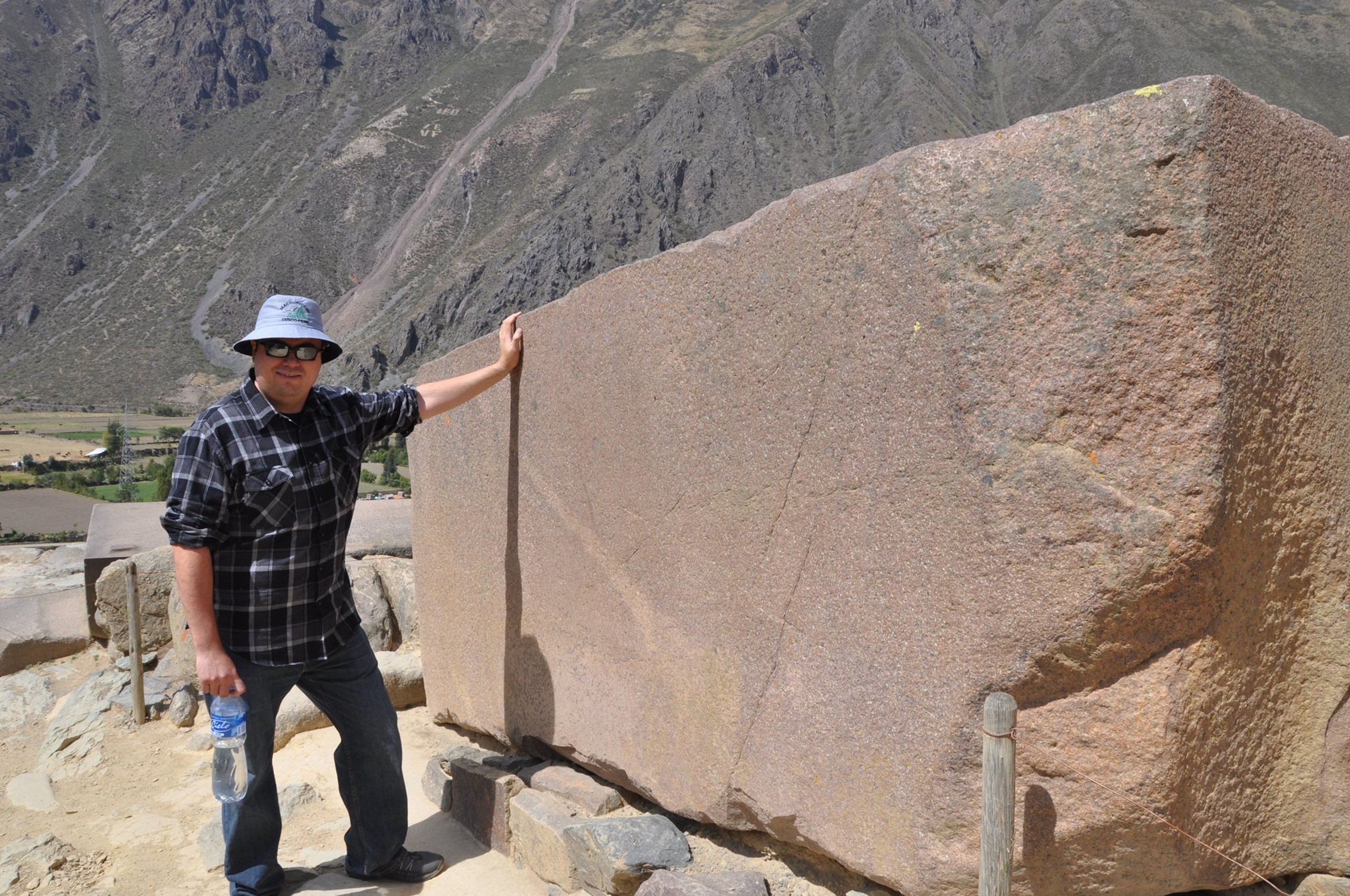
Situated high up in the Cuzco area of the Peruvian Andes, Machu Picchu is one of the most fascinating places we have ever been to. Nestled in the Andes Mountains of Peru, Machu Picchu stands as a testament of the ingenuity of ancient civilization. This awe-inspiring Incan citadel has captured the imagination of travelers and historians alike. “The Lost City of the Incas” is not just a spectacular site but also a mysterious one. How did the ancient Inca people move the rocks needed (which weigh tons) to build a city in this mountainous area and stack them so perfectly that even with today’s technology and machinery it is almost impossible to duplicate? Embark on a journey through time and terrain to unravel the secrets of Machu Picchu, an enduring symbol of ancient sophistication and natural beauty.
Getting to this 15th century marvel is nothing short of an adventure. After travelling on planes and trains, by cars and a hike…we finally made it…and this is what we saw!

The journey started by arriving in Lima and from there flying into Cuzco. Once the capital of the Inca Empire and today a UNESCO world heritage site, Cuzco is a city filled with history and awe. Before heading into the Peruvian Andes, it is a must to visit Plaza De Armas and take a moment to enjoy the hustle and bustle of this beautiful town. If you have not booked permits online through the official government website ( https://www.machupicchu.gob.pe ), this is the place where you need to purchase them in order to enter Machu Picchu. Permits are not sold at the entrance and there are only a limited number of people allowed to enter each day to preserve the site. In order to manage the flow of tourists, you can choose between morning and afternoon permits. If you plan to include the iconic Huayna Picchu or Machu Picchu Mountain Hike in your visit, additional permits are required.

From Cuzco you have a choice of taking the train or as we chose, to pay a driver to take you to Ollantaytambo, a small town in the Sacred Valley of Peru. The drive took about two hours and the roads were well maintained. Ollantaytambo is a historic town renowned for its well-preserved Inca ruins. Ollantaytambo served as both a fortress and a ceremonial center during the Inca Empire.
Once in Ollantaytambo we took the train to Aguas Calientes. This is a journey that should definitely be taken during the day. The train takes you through the majestic Andes and the views are spectacular whichever way you look…

You may even see the little, old Peruvian lady who came out to greet the train passengers…

Finally, we arrived in the town of 1600 people, called Aguas Calientes (“Hot Springs”), and it does indeed have hot springs that you can visit…and, if you didn’t bring a swim suit, not to worry, you can rent one on every corner. I am not sure how I feel about wearing a used swimsuit that countless other people have worn, but it is an option! I recommend arriving in Aguas Calientes the day before you plan to visit Machu Picchu. There are some simple hotels/hostels available that you should book ahead of time. It is a very small town with various lively restaurants. This early arrival will give you a chance to rest for the evening before you embark on your Machu Picchu visit.
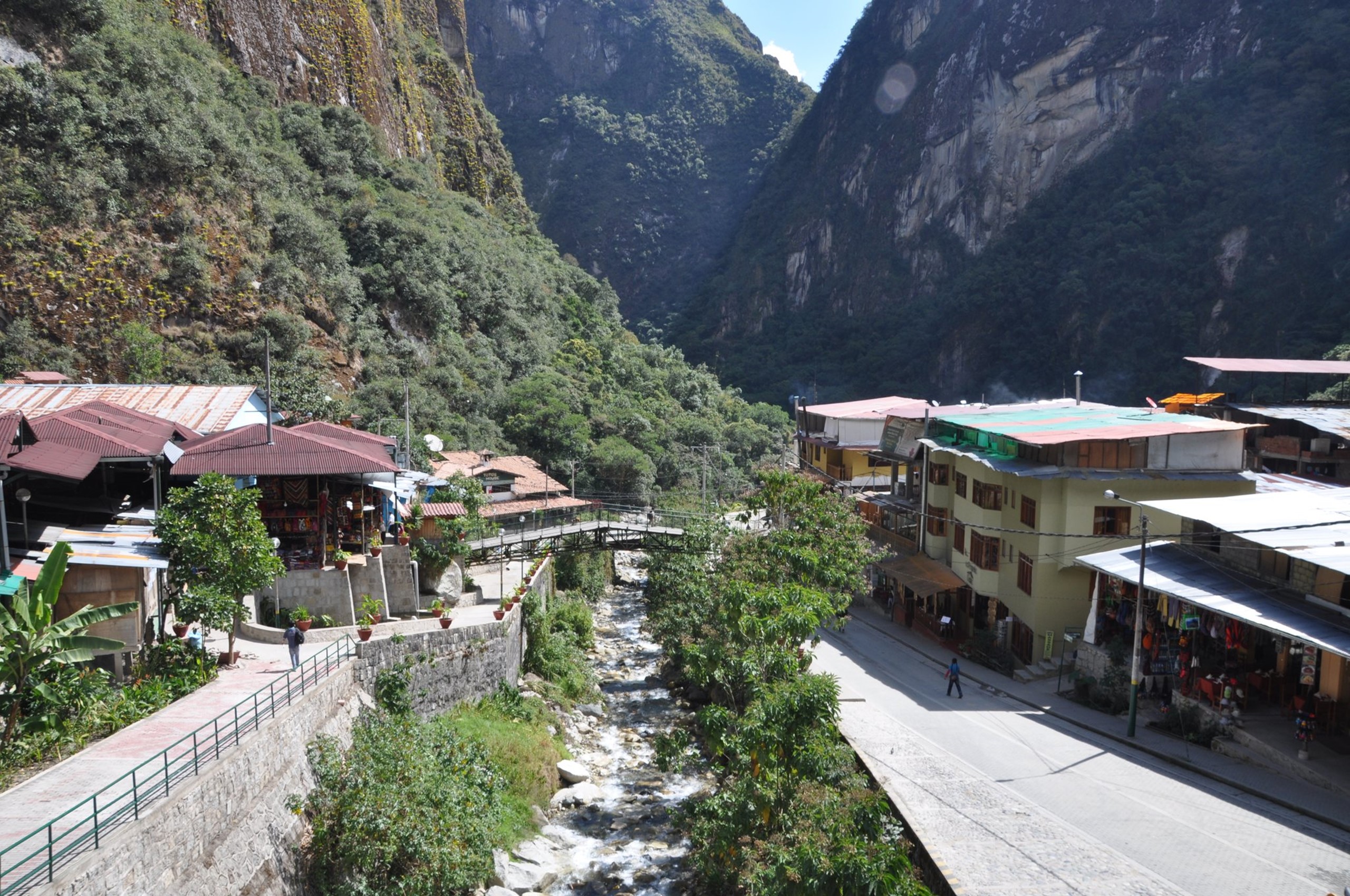
From Aguas Calientes you have the option to either hike to Machu Picchu which is about 3.7 miles (6 kilometers) or you can take a bus that takes you almost to the site and you hike the remaining distance. We opted for the bus and as per suggestion of the locals, we took the earliest bus, at about 5am. The bus route was steep and windy…and at times scary, due to the narrow road…I was amazed at the skills of the bus driver to get us up the hill safely.
At last we arrived at the entrance and with our previously purchased tickets (you cannot buy tickets at the entrance) we hiked the last stretch to the magnificent marvel of the Andes, Machu Picchu.

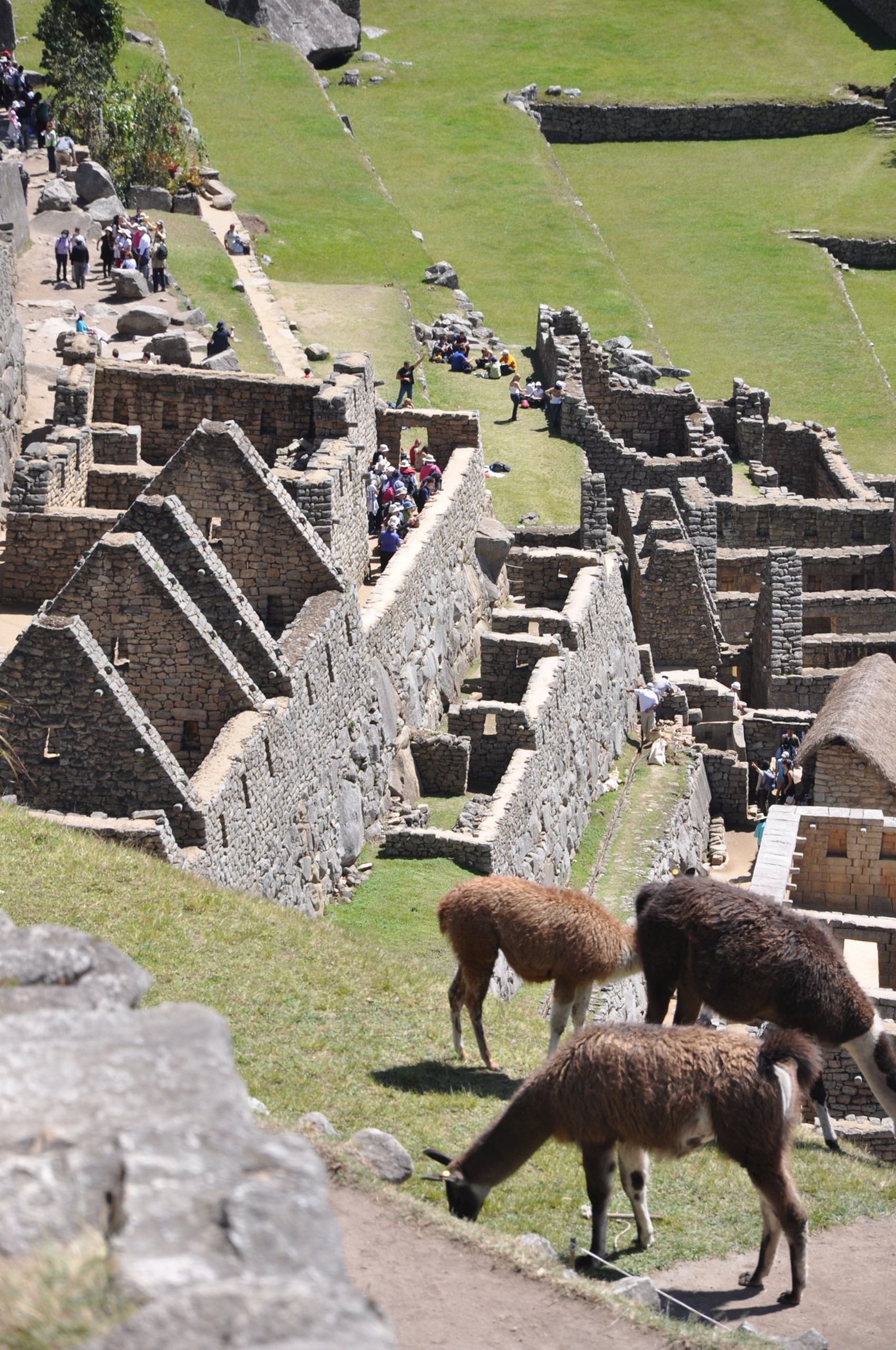
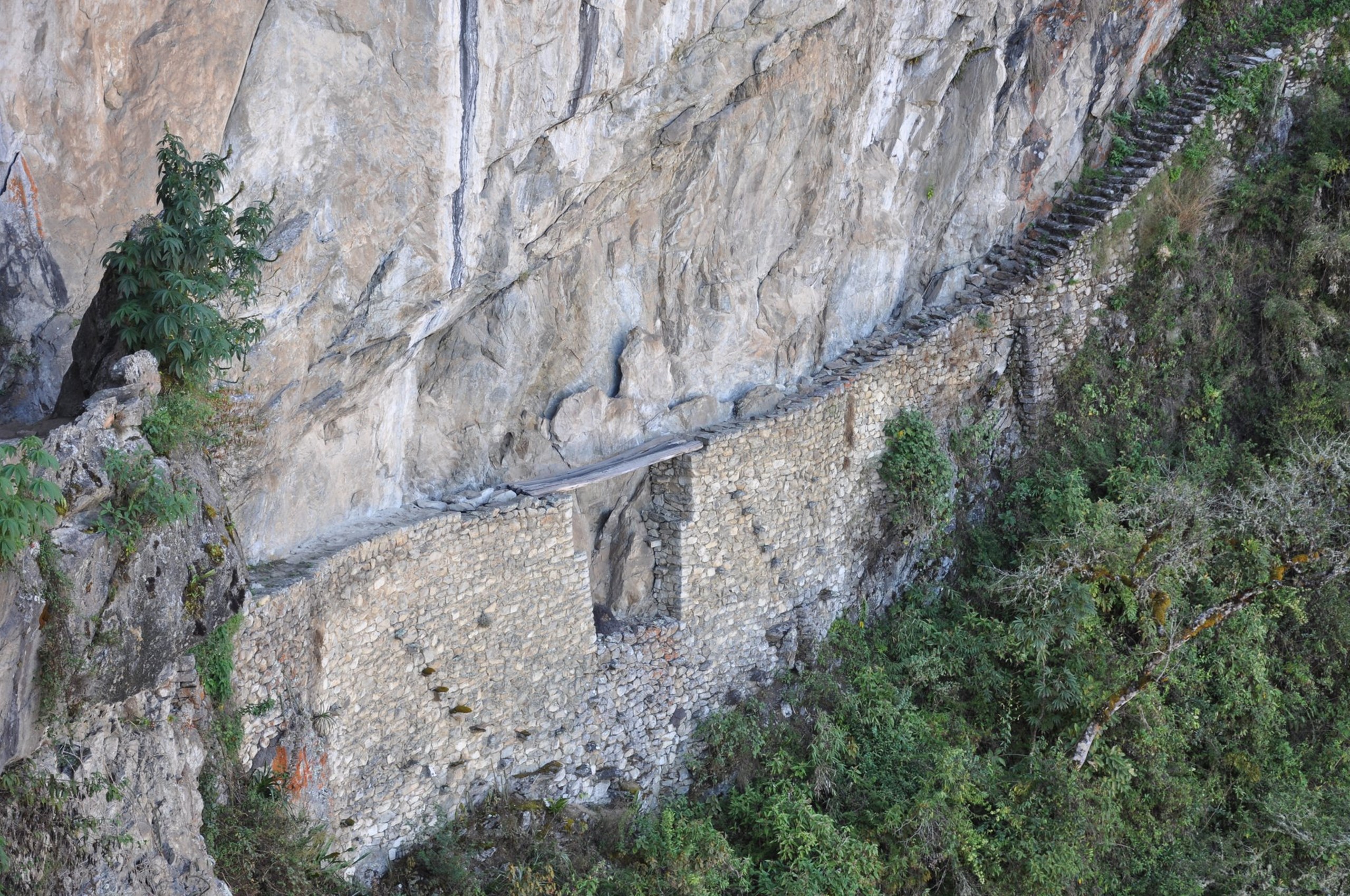
Once at Machu Picchu you can embark on a number of other hikes to various parts of the Lost City. We went on the hike to the ancient Inca Bridge. The Inca Bridge showcases the Inca civilization’s innovative approach to infrastructure, blending natural elements with strategic considerations. The trail offers a scenic journey through the diverse landscapes, revealing various aspects of the Inca engineering prowess.
What an unforgettable journey! It is hard to describe in words the feeling of experiencing something as amazing as Machu Picchu. The sheer size of the rocks used to construct the Inca ruins is inexplicable. Visiting Machu Picchu evokes a profound sense of awe and wonder. As you navigate the ancient stone pathways and absorb the breathtaking mountainous landscapes, a palpable connection to history and nature envelops you. The sheer scale and precision of Inca architecture inspire admiration, while panoramic views create a surreal atmosphere, leaving you with a deep appreciation for the ingenuity of a civilization that thrived in the midst of the Andes. It’s a blend of historical reverence and natural beauty that leaves an indelible mark, making the journey to Machu Picchu an unforgettable and enriching experience.
On our way back to Cuzco we chose to spend the night in Ollantaytambo before continuing on our adventure. We stayed at a place called Hotel Samanapaq and truly loved our experience there. The owners, husband and wife, were very hospitable and we loved their handmade pottery.
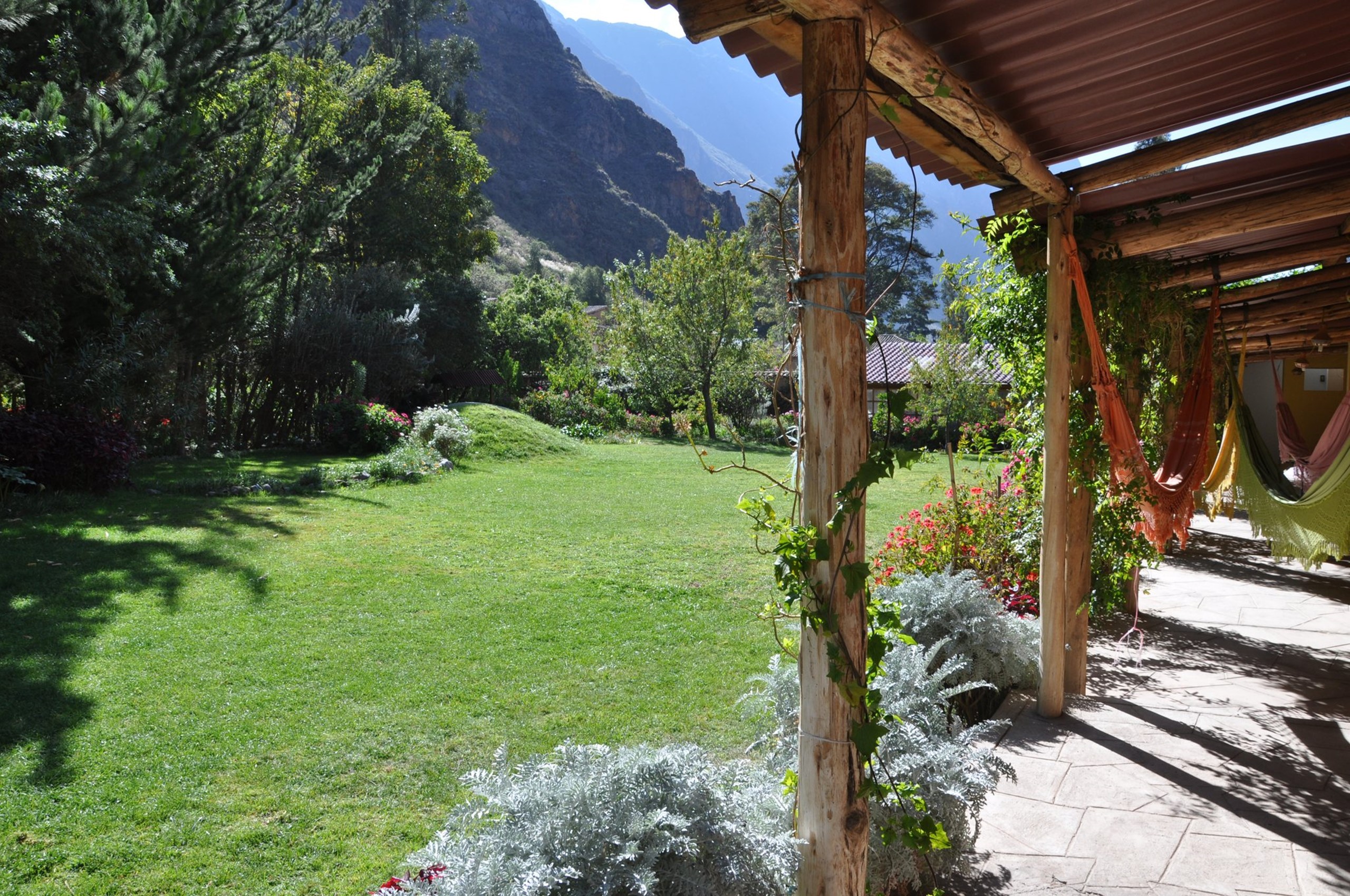
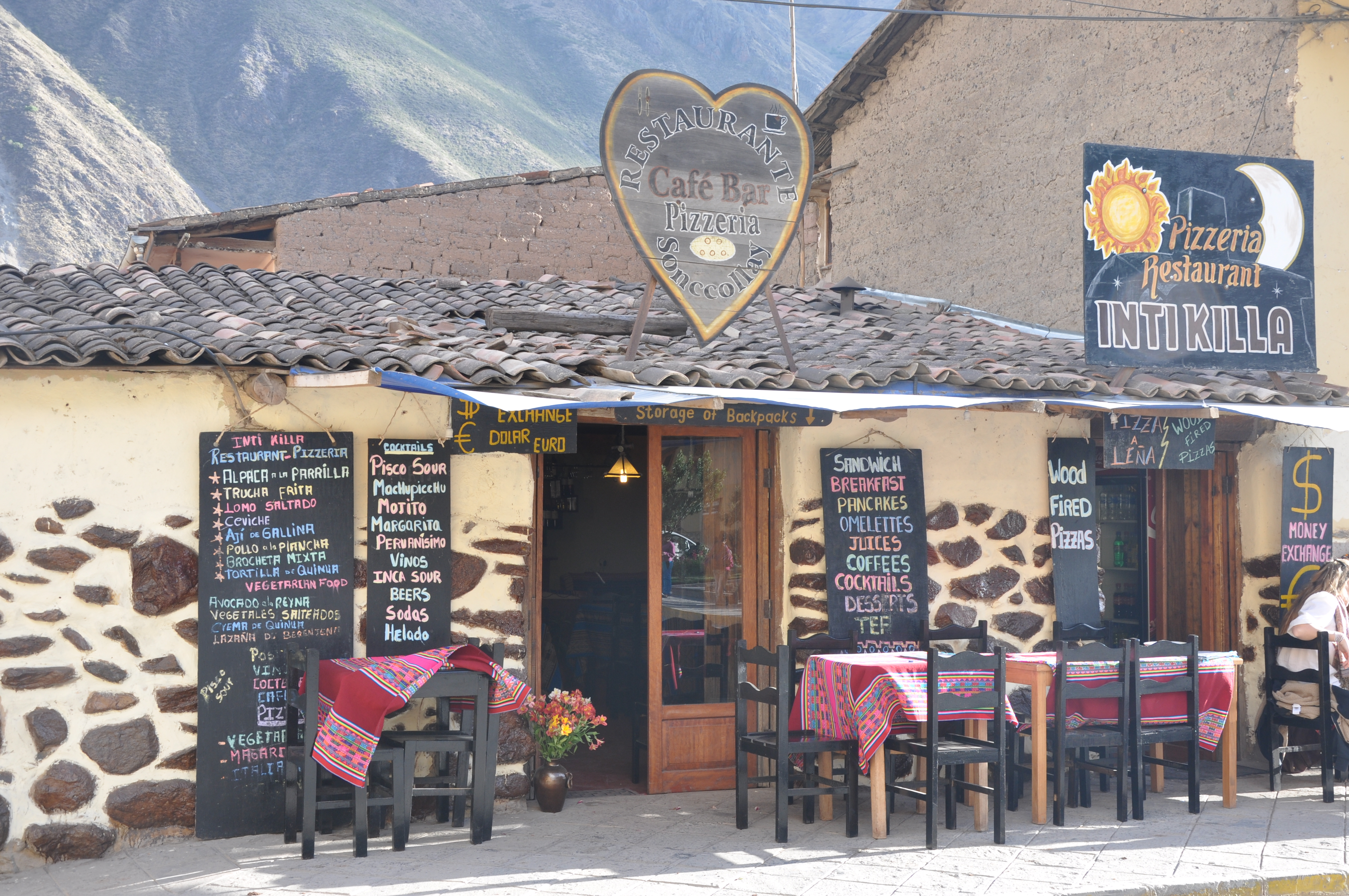
Ollantaytambo is a vibrant, little town with so much character. We loved the cobble stone streets and quaint side cafes, local market for hand crafted items and the Inca ruins located just up the hill. The town itself retains its Incan layout with narrow cobblestone streets and adobe buildings, creating a captivating blend of history and culture.


What is the best time of the year to visit Machu Picchu?
Machu Picchu, the ancient mountaintop citadel nestled high in the Andes mountains, is a mesmerizing destination that beckons travelers year-round. Whether you’re drawn by its rich history, breathtaking views, or the thrill of exploration, here’s when you should plan your visit:
- Dry Season (April to October):
- Best Time: The dry season is the most popular period for visiting Machu Picchu. It typically runs from mid-April to the end of October.
- Weather: Expect cooler air, bright blue skies, and plenty of sunshine. This is when the site truly shines, allowing you to capture those iconic photos without rainclouds in the background.
- Crowds: While it’s busier during this time, the experience is well worth it. June, July, and August are peak tourist months, so plan accordingly.
- Rainy Season (November to March):
- Weather: During the rainy season, gray clouds, frequent rain showers, and occasional storms prevail. It rains nearly every day, but the upside is that temperatures are warmer.
- Crowds: Fewer visitors brave the rain, which means you’ll have more space to explore at your own pace.
- Pack: Don’t forget your rain jacket—it’s essential!
- Note: January through March are the absolute rainiest months.
- Year-Round Access:
- Machu Picchu is open to visitors throughout the year, so you can plan your trip based on your preferences.
- Consider factors like weather, crowd size, and how you want to get there (train or Inca Trail).
We visited Machu Picchu in August, and the weather was perfect. It was cool and sunny, excellent for hiking and outdoor activities.
Remember, every season has its charm at Machu Picchu. Whether you’re tracing the ancient footsteps of the Inca or simply soaking in the mystical atmosphere, this wonder of the world awaits your exploration!
All in all, this was one of our most memorable trips. The combination of adventure and historic sites along the way, topped off by the majestic site of Machu Picchu is simply unforgettable. We must have loved this place so much, that we ended up missing our plane from Cusco to Lima…oops! But that’s a whole other story….
 mimski.com
One response to “The Road to the “Lost City of the Incas”…”
[…] Picchu, had a wonderful time at the ancient site. For more about visiting Machu Picchu read my blog The Road to the Lost City of the Incas. On our way back, we had to go back to Cusco to catch a flight to Santiago, Chile (our next […]
LikeLike