

What is the first thing that comes to mind when you hear China? Cheap products, huge population, panda bears? It is true that China has been the top exporter of goods in the world for years. China does also have a huge population of over a billion people (1.387 billion to be exact). An you would also be correct about the panda bears. China is home to the giant panda. They are found in the remote, mountainous regions of central China, in Sichuan, Shaanxi and Gansu provinces.
Besides all of the above China is also home to some of the most spectacular man-made architecture and infrastructure in the world as well as some of the most stunning natural formations.
According to estimates, China encompasses an area of 3.705 million sq mi (9.596 million sq km), slightly larger than the USA. With that in mind seeing all that China has to offer in one trip is almost impossible. So here are the 5 areas we picked to start exploring China: Beijing, Xi’an, Chengdu, Guilin and Shanghai. We will call it the Golden Circle of China.
Beijing, China
We started our trip in the northern part of China with visiting the massive city of Beijing, capital of the People’s Republic of China. The rich history of Beijing is mind-boggling spanning over a period of 3 millennia. Beijing currently has a population of over 21 million people and is home to the Forbidden City, the Imperial Palace of the Ming and Qing Dynasties. According to legends the palace contains 999 1/2 rooms. Built between 1406 to 1420 and now an UNESCO World Heritage Site the palace museum is over 180 acres (72 ha).
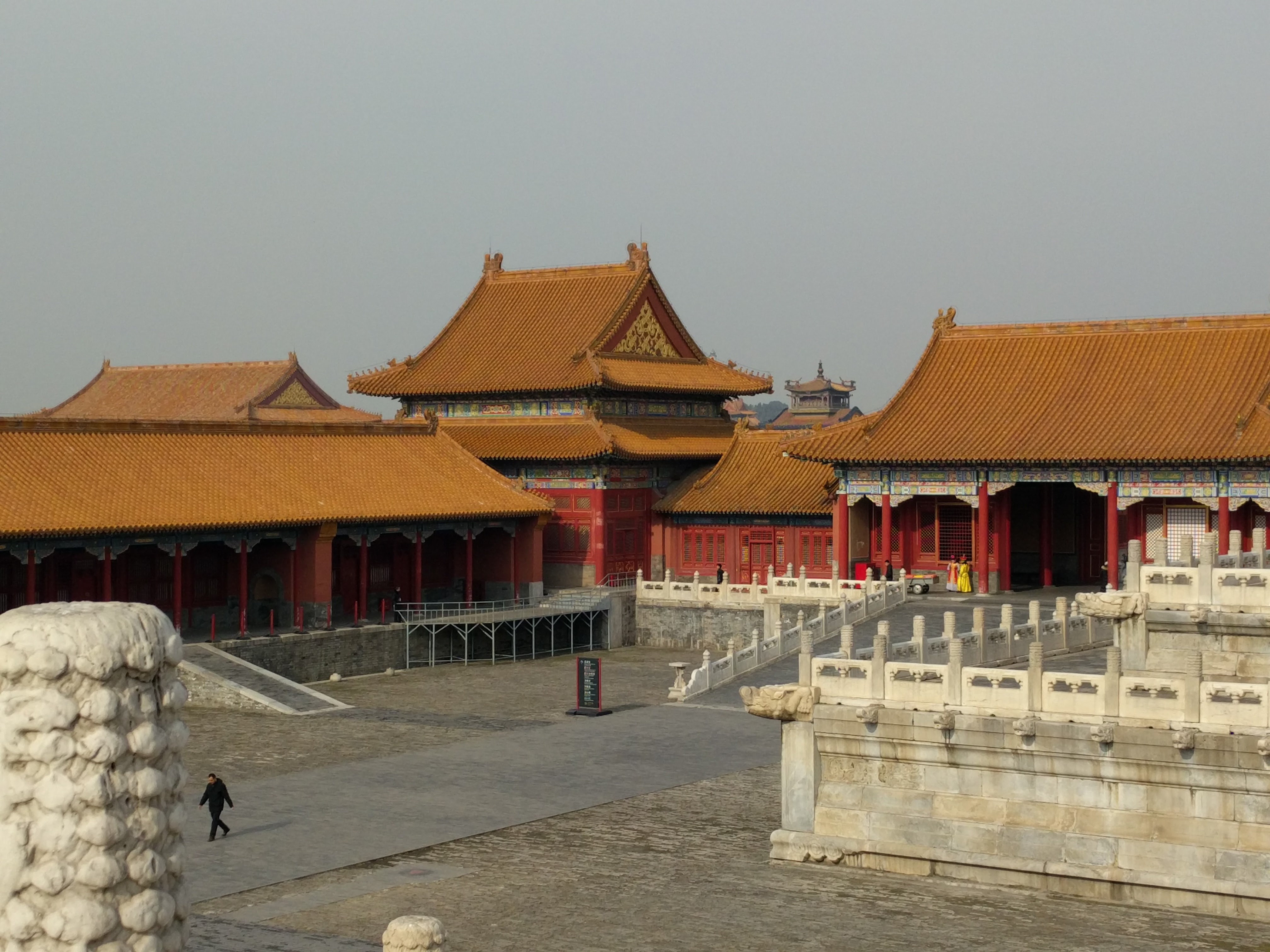

Beijing is also home to the Royal Summer Palace. Apparently, a massive palace in the middle of the city was not sufficient for the royal family, so they built a summer palace complete with picturesque hillsides, extravagant pavilions and beautiful lakes.

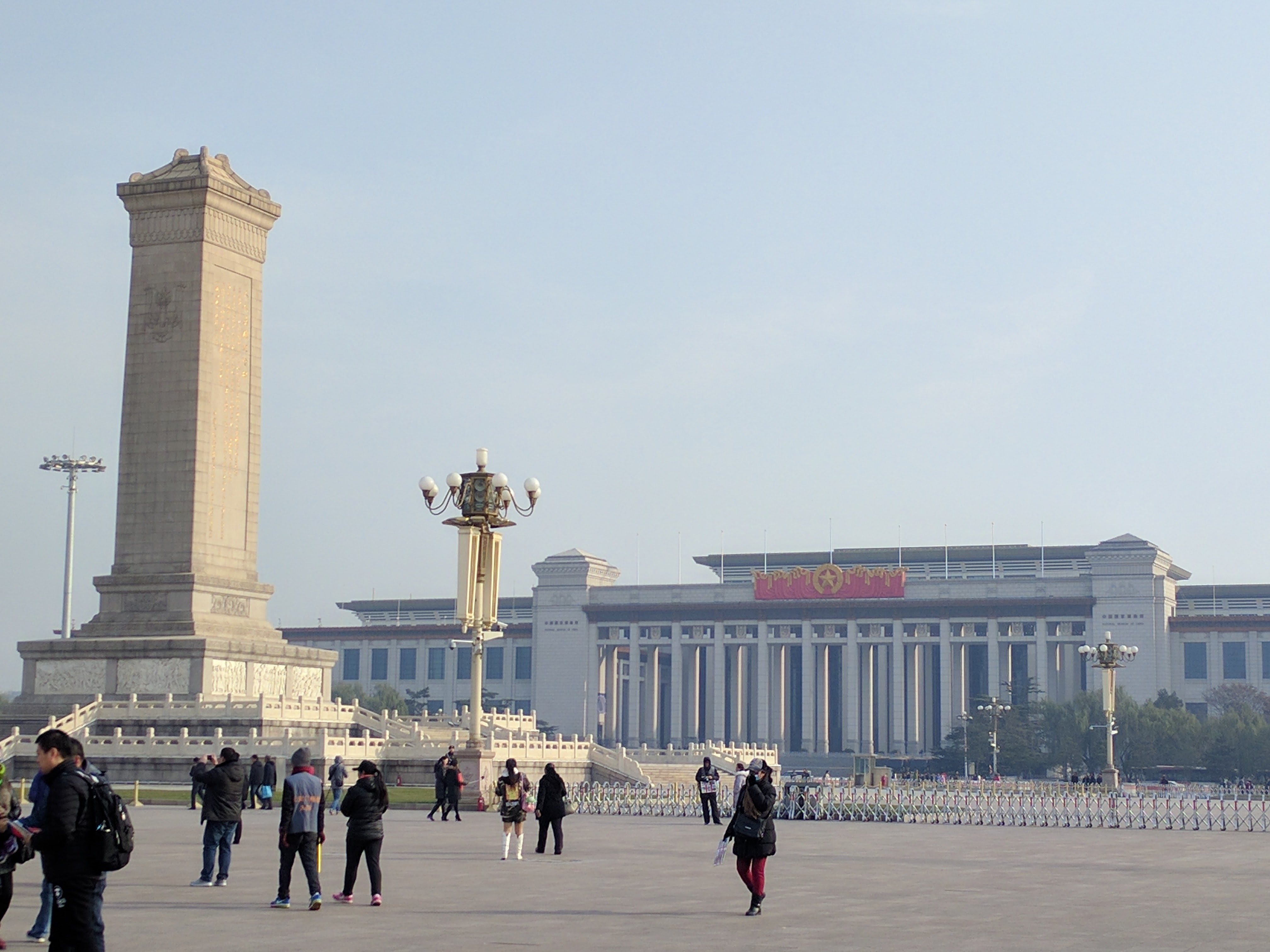
Since 1949 the People’s Republic China has been under communist rule. The Great Hall of the People is the administrative and ceremonial center of the Chinese government. Located around the corner from Tiananmen Square (“Gate of Heavenly Peace”) famed by a number of political events and protests over the years.
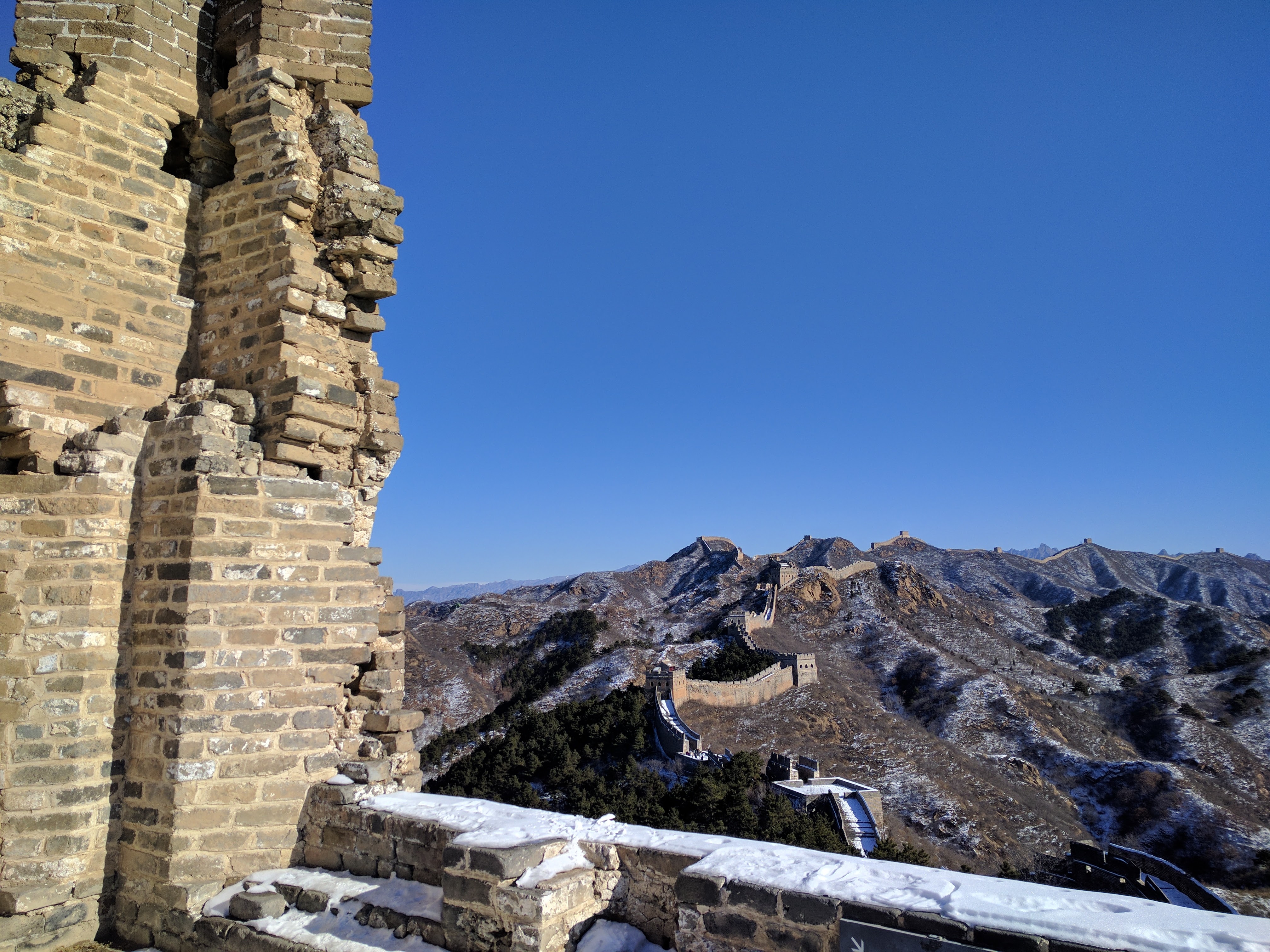
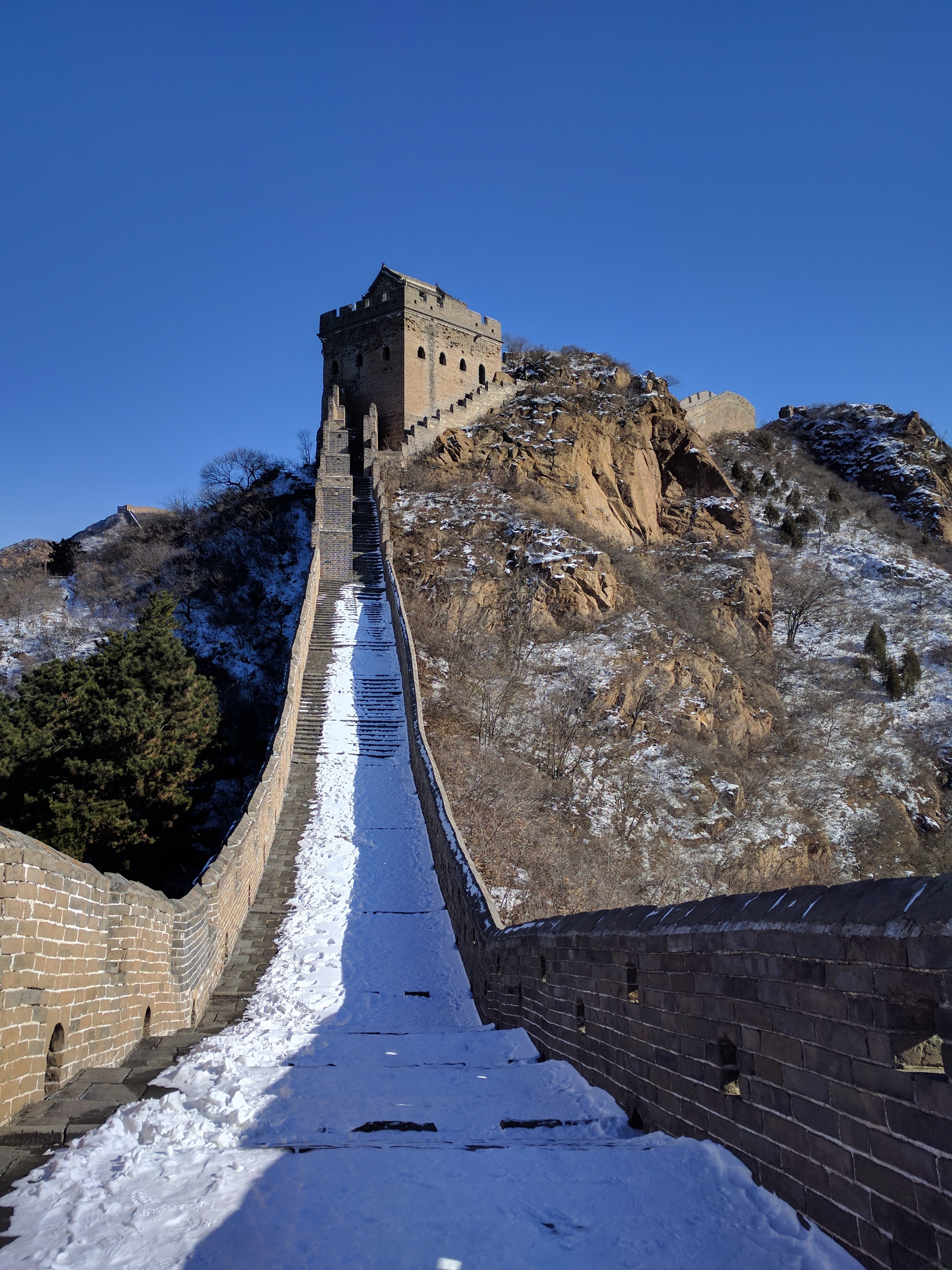
Beijing is also a great access point to see the famous Great Wall of China. Stretching and amazing 5,500 miles (8,800 km) it took over 2000 years to complete this man-made world wonder. Within a couple of hours driving from city center you can visit various parts of the wall with Badaling being the closest one and also the busiest section of the wall. This part of the wall is fully restored and easy to access, however expect to see thousands of people visiting too. Mutianyu is a little further away, also fully restored and extremely busy. We wanted to escape the touristy areas, so we decided to visit a part of the wall called Jinshaling. This section is located about 2 1/2 hours drive from Beijing. The hike we completed at the Great Wall was approximately 6 miles (10 km). The day before our hike it had snowed in the area, which made our hike that much more strenuous. The views however were spectacular! This section of the wall is only partially restored so in parts you can still see the original pieces of the wall.

Xi’an, China
Just over 2 hours by plane southwest of Beijing in the Shaanxi Province where the city of Xi’an is located. Xi’an is one of the oldest cities in China as well as the oldest of the four capitals of China. It is also considered a mega-city with a population of over 13 million people. The city center of Xi’an is surrounded by the most complete city wall to survive ancient Chinese history. Today the wall stands 40 ft (12 m) tall, 40-46 ft (12-14 m) wide at the top and 50-60 ft (15-18 m) thick at the bottom. It runs for about 8.5 mi (13.7 km). It offers sweeping views of the city and the surrounding areas.

The city of Xi’an is also famous for what you may know as the Terracotta Soldiers (Terracotta Army). About 1 hour drive from city center lies the funeral site of the first Emperor of China. Before his death he commissioned his servants to build him a terracotta army complete with horses and carriages. It’s purpose was to protect him in the afterlife. In 210–209 BCE the Emperor was buried along with an estimated 8,000 soldiers, 130 chariots with 520 horses and 150 cavalry horses. The amount of detail to the face, body and clothing of each statue is incredible. The project of excavating and reconstructing the statues is far from over, so no one knows exactly the size of this massive “burial” site.


Chengdu, China
Another 1 hour and 45 min by plane further southwest is the city of Chengdu in the Sichuan Province. Besides the acclaimed and intensely flavorful cuisine of Sichuan, the area is most famous for being home to the Giant Panda. A number of Panda Research bases are spread throughout the province offering people a rare glimpse into the life of this incredible animal. We opted for volunteering at the Dujiangyan Base (not all research bases offer volunteering). For more detailed information about volunteering at the China Conservation and Research Center for the Giant Panda, Dujiangyan Base please read our article Volunteering at a Panda reserve in China.

Chengdu is an extremely large metropolitan city however pockets of the city have been preserved for it’s ancient architecture. One such area is Wenshufang. It is an easily accessible area worth exploring for food, souvenirs and to simply enjoy the look and feel of traditional Chinese architecture.

While in the Wenshufang area stop by and visit the Wenshu Yuan Monastery also known as the Manjushri Monastery. Originally it was built during the Sui Dynasty (605 BC-617 BC) then destroyed by fire and rebuilt in the 17th century. The monastery features a vegetarian restaurant with beautiful outdoor seating underneath giant trees. You may also see local artist drawing or playing music. Take some time to walk around the premises. The vibrantly colorful structures, picturesque ponds and beautiful walkways make for an excellent and very relaxing experience.

Guilin, China
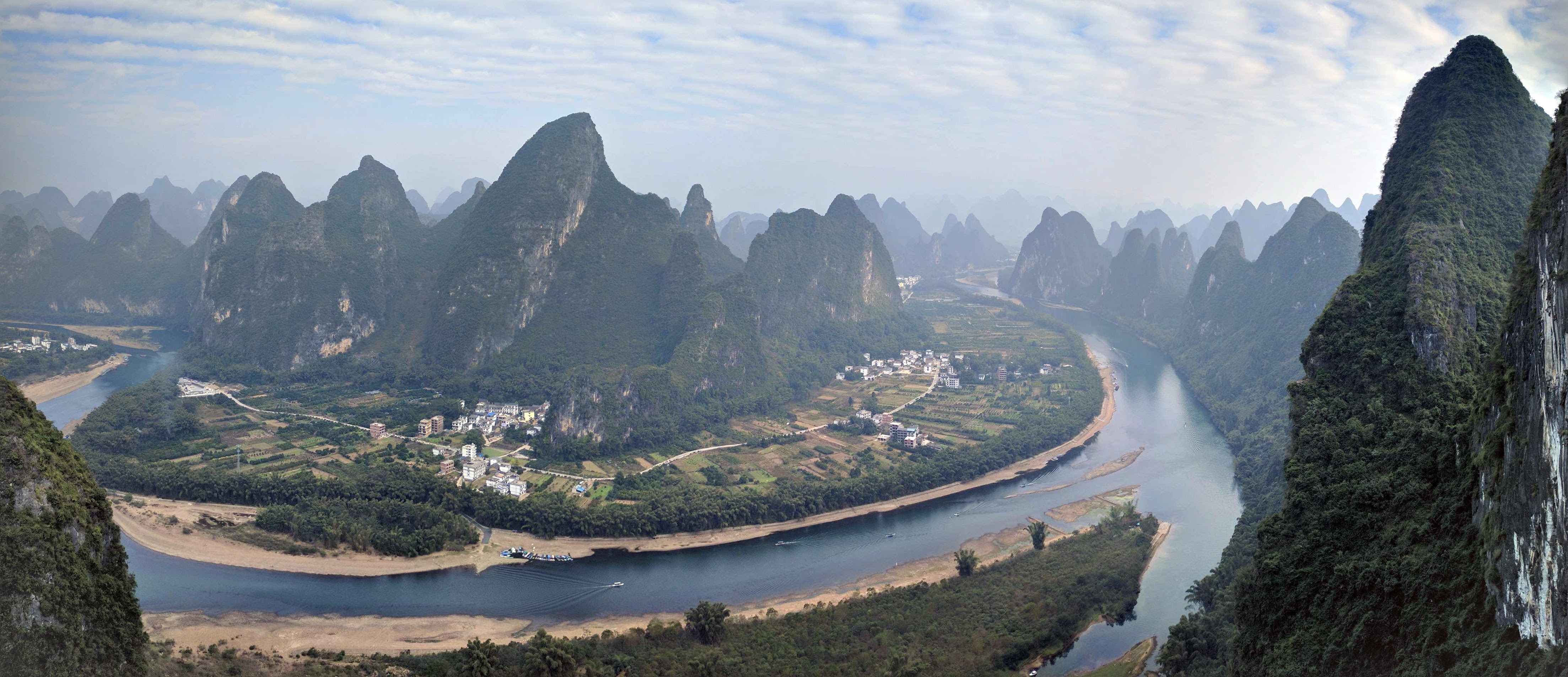
We continued our journey southeast towards Guilin (1 hour 45 min flight from Chengdu). This “smaller” city (975,000 urban and 4.7 million total population) is located in Southern China and is famous for it’s dramatic limestone karst hills. The city is located along the famous Lijiang River (Li River). The most popular sightseeing activity in Guilin is taking a river cruise south on the Li River towards the town of Yangshuo. You can spend the day on a boat leisurely enjoying the spectacular landscape or you can choose to do a part car/part boat day tour. We chose a car/boat private tour and our first stop was a private Li River Cruise on a small raft. Surrounded by endless karst formations as far as the eye could see the view was simply amazing!

Later we climbed a hill to get a glimpse of this natural wonder from above. Absolutely unbelievable! There was no end to these beautiful limestone formations.
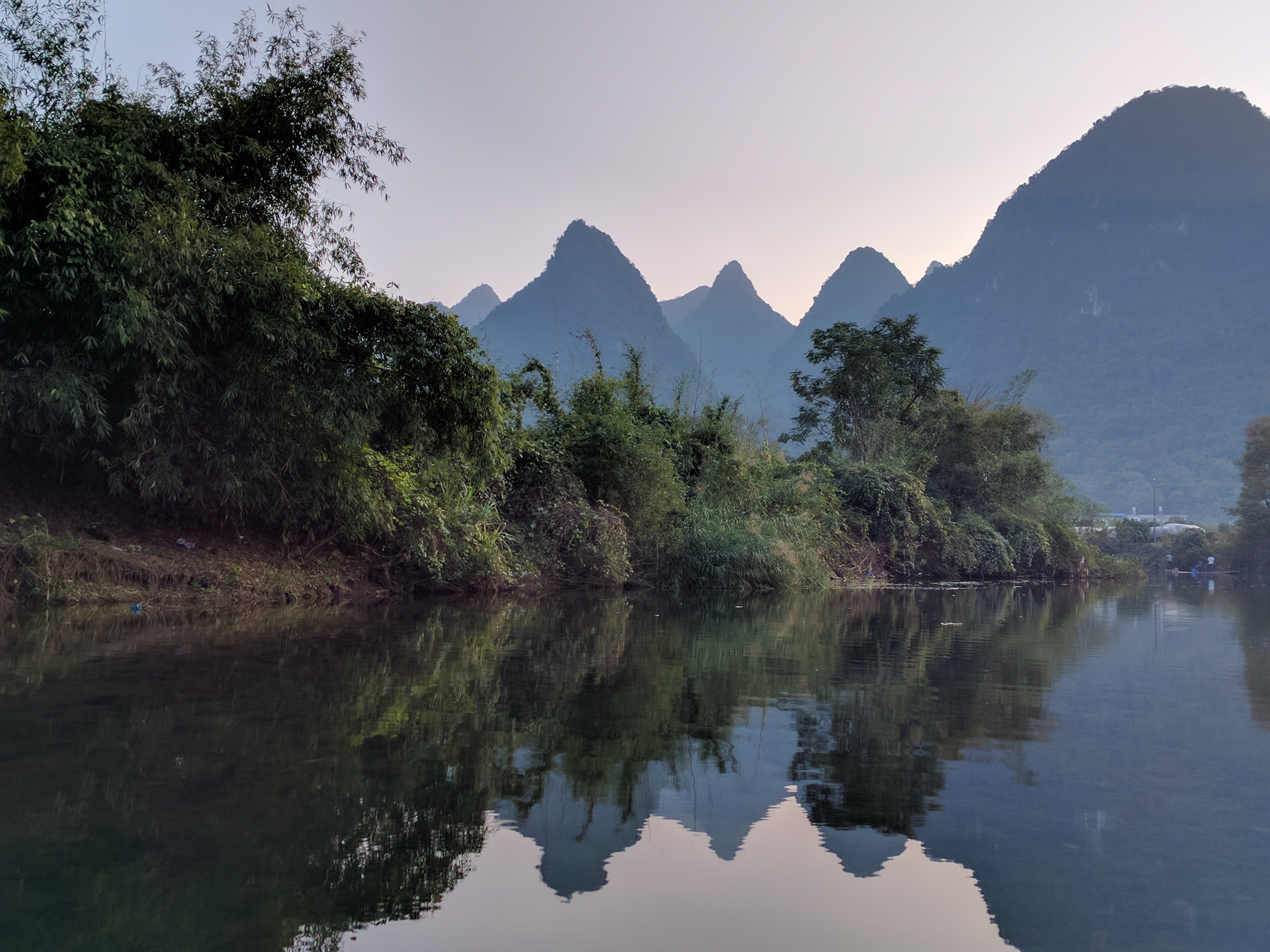
We ended the day with a walk around West Street in Yangshou followed by a picturesque bamboo raft ride down the Yulong River passing underneath the over 500 year old Yulong bridge.

On day two in Guilin our guide took us on a 2 1/2 hour drive outside of Guilin to the Longsheng (Longji) Rice Terraces. Located high up in the mountains about 2,000 ft – 2,600 ft (600 m -800 m) above sea level. The small villages in the area are fully self-sustainable and everything produced is for local consumption. It was unbelievable to see what people with limited resources have been able to create in these mountainous regions of China.


Shanghai, China
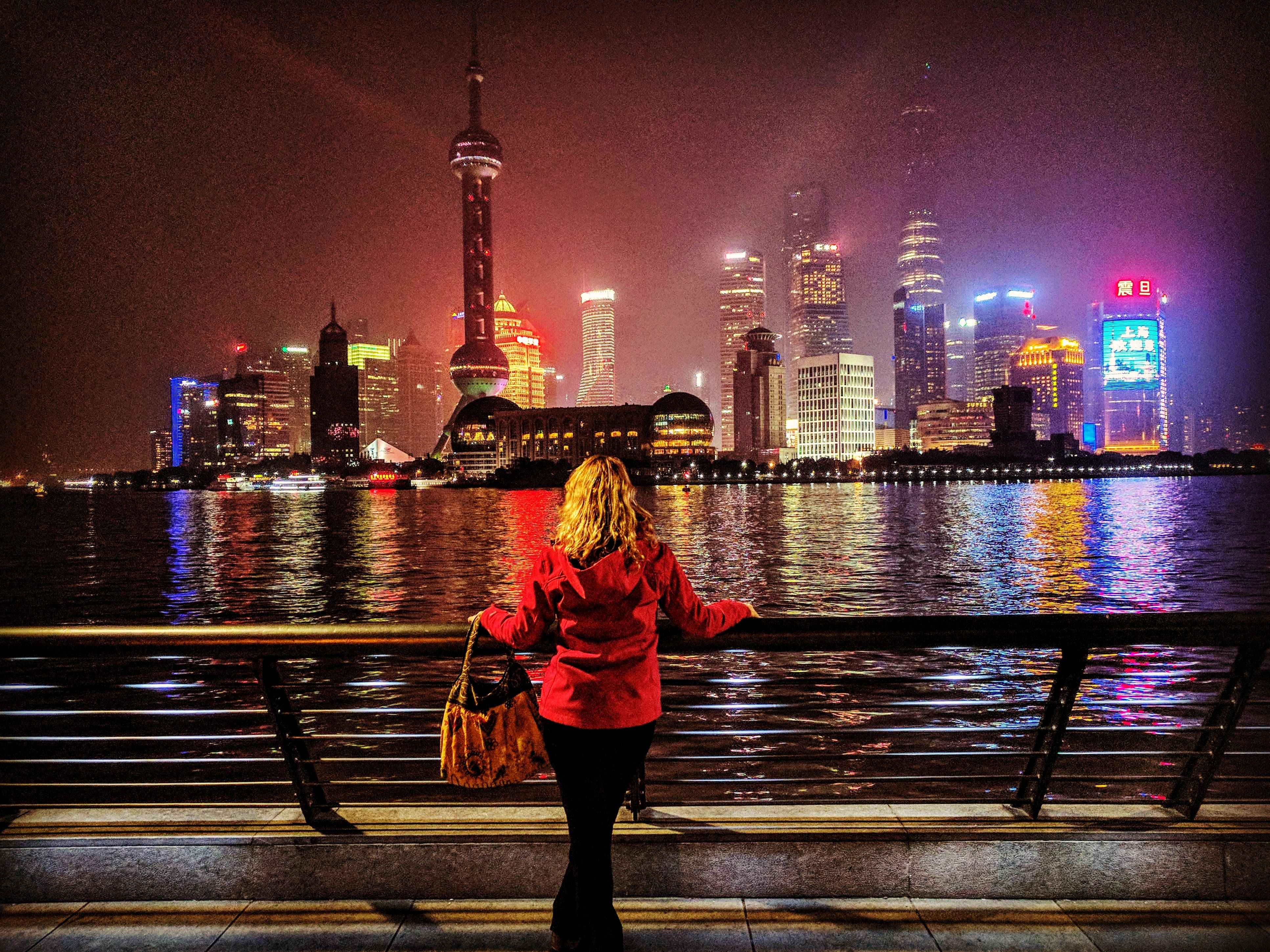
Our last stop in China was the mega-city of Shanghai with a staggering population of over 24 million making it the most populous city in the world. This extremely modern and fast-paced city is simply amazing. From riding the high-tech Maglev train to admiring the famous skyline of Shanghai (The Bund) this city is nothing short of amazing. Mixed among the ultra-modern buildings are ancient temples making the city a dynamic and historically significant hub of mainland China.

The city’s skyline is beautiful day and night. Some days due to air pollution which causes poor visibility the skyline becomes almost invisible. Hard to believe, but it is true.
If the city seems too modern and you need something a little more traditional, just head out about 1 1/2 hours outside of Shanghai city center. There you will find the famous for it’s canals ancient water town Zhouzhuang Ancient Town known as the “Venice of the East”. The history of this picturesque little town goes back about 900 years. Some of the houses and bridges date back to the Ming and Qing Dynasties over 500 years ago. Visiting Zhouzhuang Ancient Town is a wonderful way to spend the day escaping the hustle and bustle of the mega-city Shanghai.

As you can see China’s rich history and beautiful nature offer so many various opportunities to experience Chinese culture. Seeing it all in one visit may be a stretch, but not seeing any of China at all would be a loss to experiencing life. Outside of the large metropolitan areas hardly anyone speaks English making it challenging but also interesting to accomplish simple tasks like getting food. China is guaranteed to stretch your imagination and take you out of your comfort zone.
 mimski.com
Leave a comment